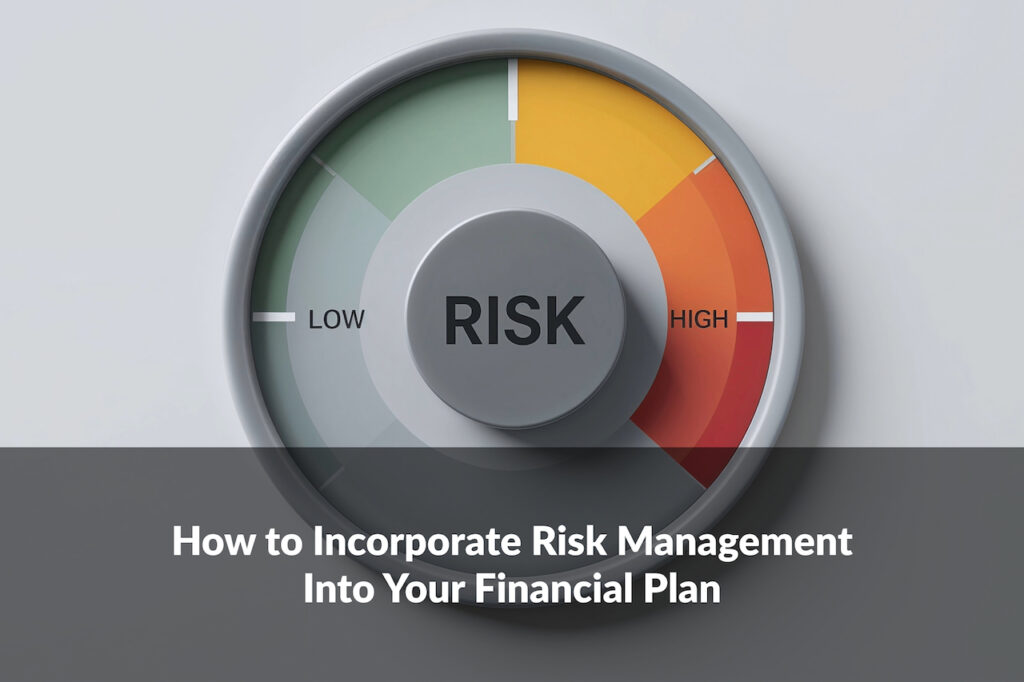
No matter how detailed your financial plan is, one thing is certain: risk is always part of the equation. Market fluctuations, inflation, rising interest rates, and unexpected personal or global events can all impact your financial trajectory. That’s why incorporating risk management in financial planning isn’t just a smart move, it’s a foundational strategy.
Here at Davidson Capital Management, we believe that understanding your exposure to risk is just as important as understanding your investment opportunities. Managing risk doesn’t mean eliminating it entirely (which isn’t possible); it means identifying, evaluating, and actively manage risk in your portfolio so your financial future remains on track, no matter what’s ahead.
What Is Risk Management in Financial Planning?
In simple terms, risk management involves identifying potential portfolio threats and creating strategies to help reduce their impact. This goes far beyond diversifying your portfolio’s asset allocation, though that’s part of it. It means examining all areas of your financial life: investments, income sources, tax management strategy, retirement plans, insurance coverage, and more.
Risk management isn’t about being reactive; it’s about being proactive.
SEE ALSO: Creating a Sustainable Withdrawal Strategy for Retirement
Key Areas to Focus On
Here are some essential ways to integrate risk management into your financial plan:
Investment Risk
Every investment carries a certain level of risk, whether it’s market volatility, interest rates, geo-political or sector-specific exposure. A disciplined asset allocation strategy, based on your financial goals, time horizon, risk capacity, and tolerance for volatility, can help create balance and flexibility over time.
Income and Employment Risk
Whether you’re in the prime of your career or approaching retirement, your income plays a central role in funding your goals. What would happen if that income stream were disrupted? This is where emergency reserves, passive income strategies, and appropriate insurance coverage come into play.
Inflation Risk
Inflation erodes purchasing power over time, which means today’s dollar won’t go as far in the future. Your plan should account for inflation through cost-of-living adjustments and investments that historically have had the potential to outpace rising prices. Inflation is often overlooked by conservative-risk adverse investors who choose return of their invested principal over the return of their purchasing power. This mindset can significantly decrease the longevity of an investment nest egg.
Tax Risk
Changes in tax law or rising tax rates can affect your financial picture. Being aware of how your accounts are taxed, and making informed decisions about withdrawals, conversions, and deductions can help you reduce exposure to future surprises.
SEE ALSO: Navigating Market Volatility: Long-Term Strategies for Investors
Health and Longevity Risk
Medical expenses can be one of the most significant risks in retirement. Planning for long-term care, understanding Medicare options, and evaluating your healthcare savings strategy are essential parts of protecting your financial future.
Why Risk Management Isn’t One-and-Done
Your financial plan isn’t static, neither are the risks you face. Life changes, market cycles evolve, and legislation can shift. That’s why active risk management requires ongoing attention. Regular reviews of your financial strategy allow you to adjust as needed and adapt to the unexpected.
Working with a Registered Investment Advisory (RIA) team like Davidson Capital Management means you have someone actively analyzing the big picture while also zeroing in on the details to make the necessary adjustments to ensure your financial security.
Take the Next Step
If you’re serious about building a financial plan that accounts for real-world risks, now’s the time to start. At Davidson Capital Management, our approach is clear, strategic, and rooted in more than three decades of in-house experience actively managing client assets through every market cycle.
📞 Schedule a consultation today to take a closer look at your risk exposure and how we can help you build a strategy that’s prepared, not just planned.